RMNCAH/SRH and PSS-UNFPA
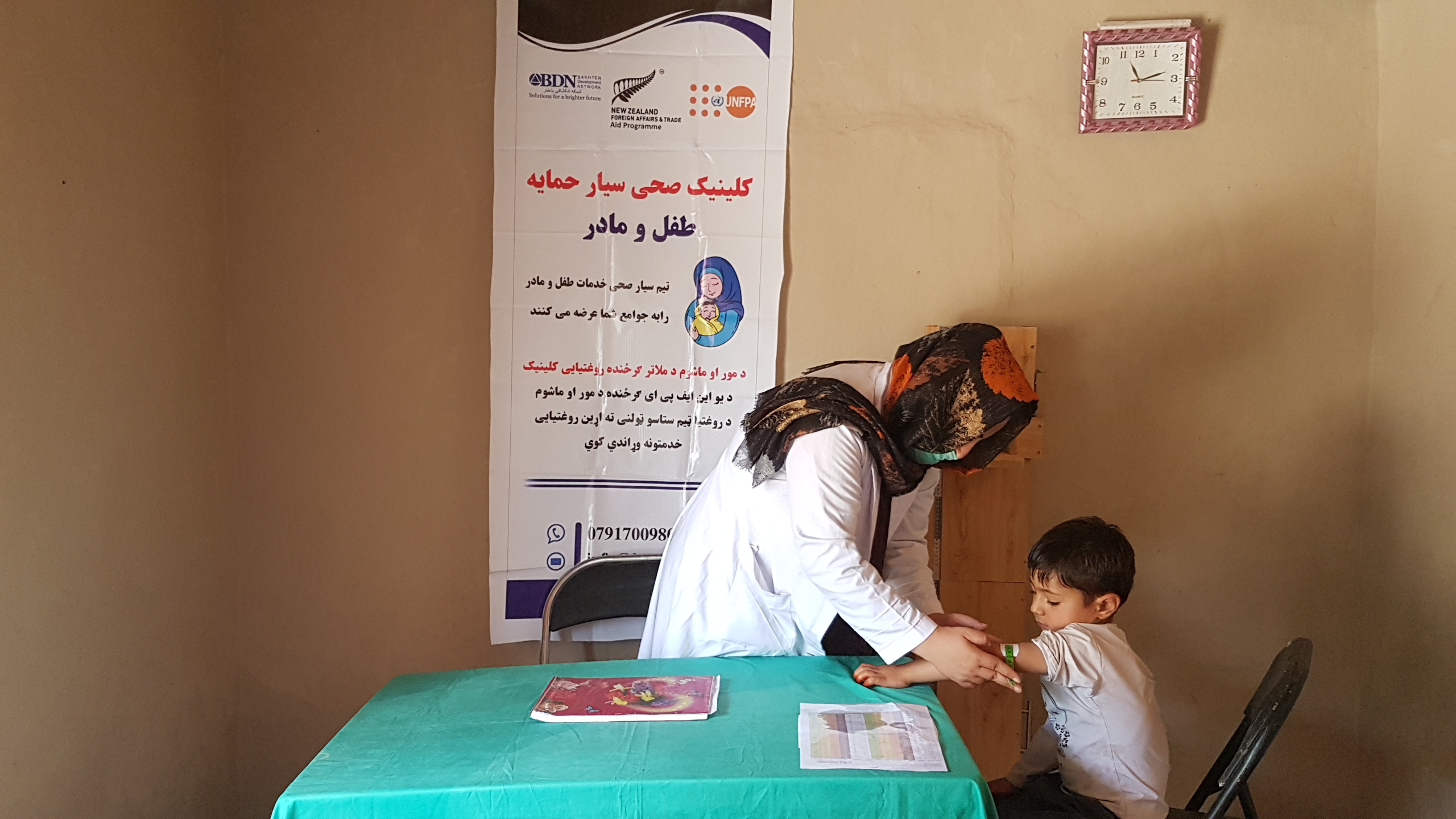
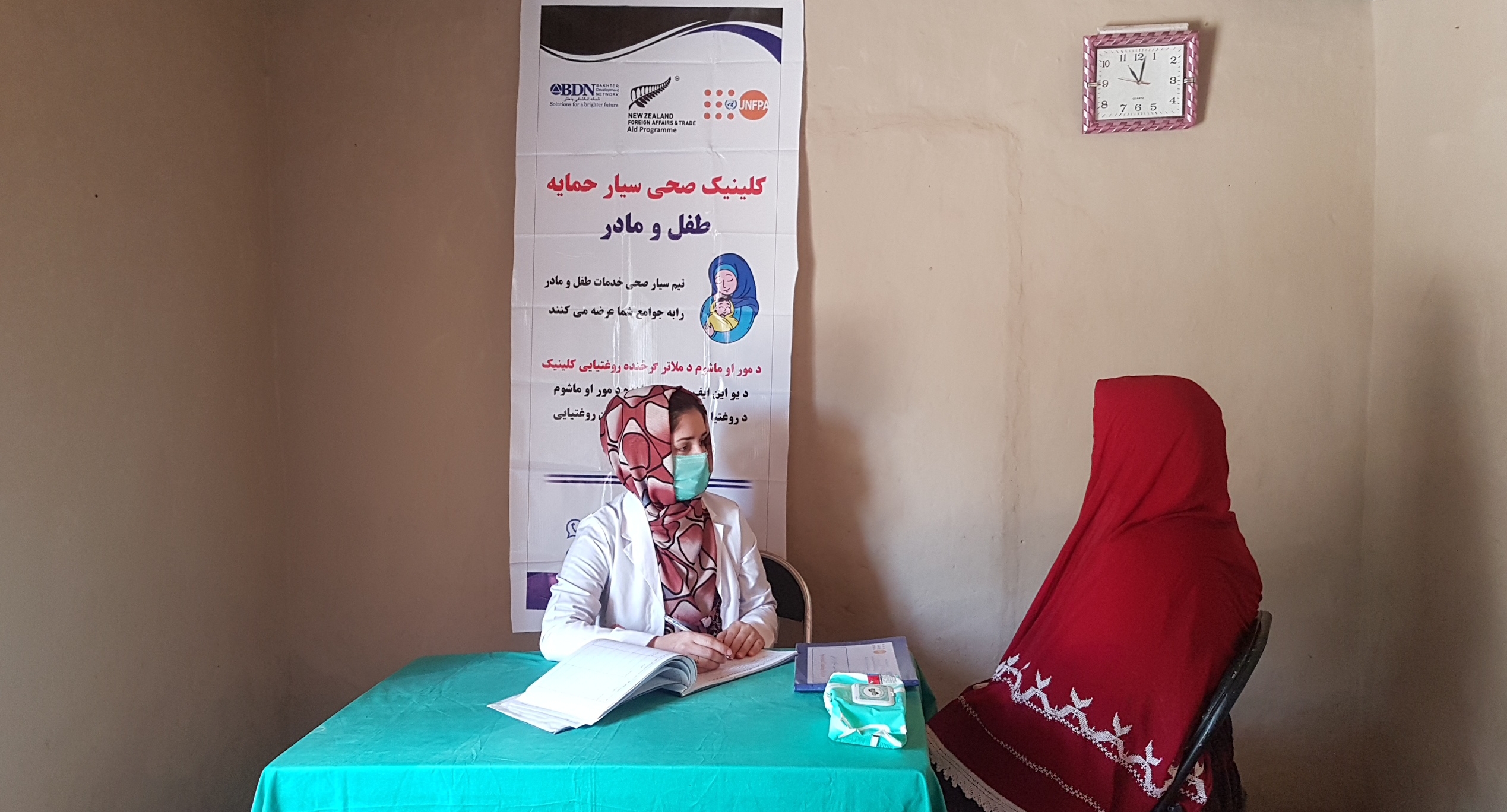
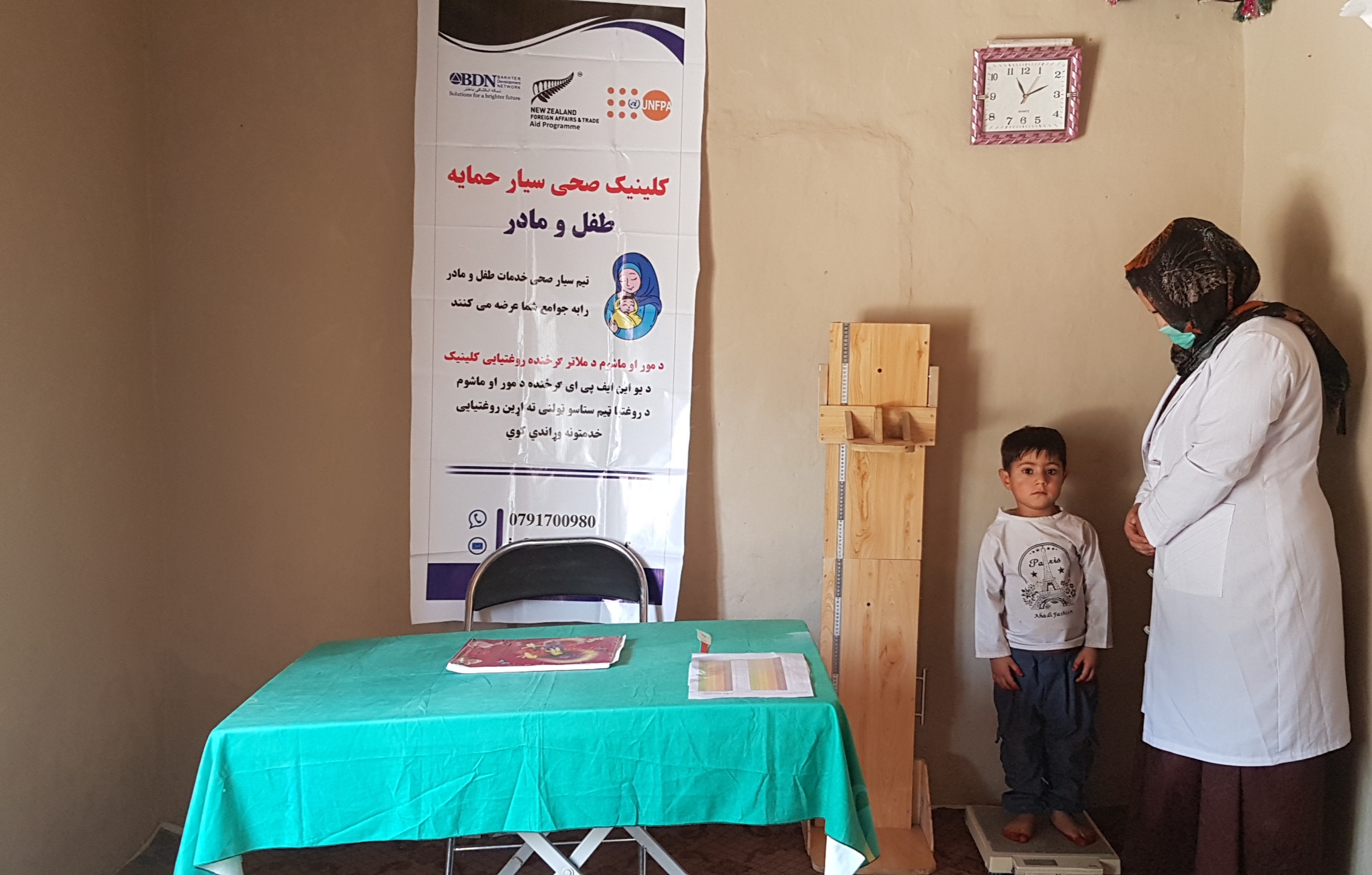
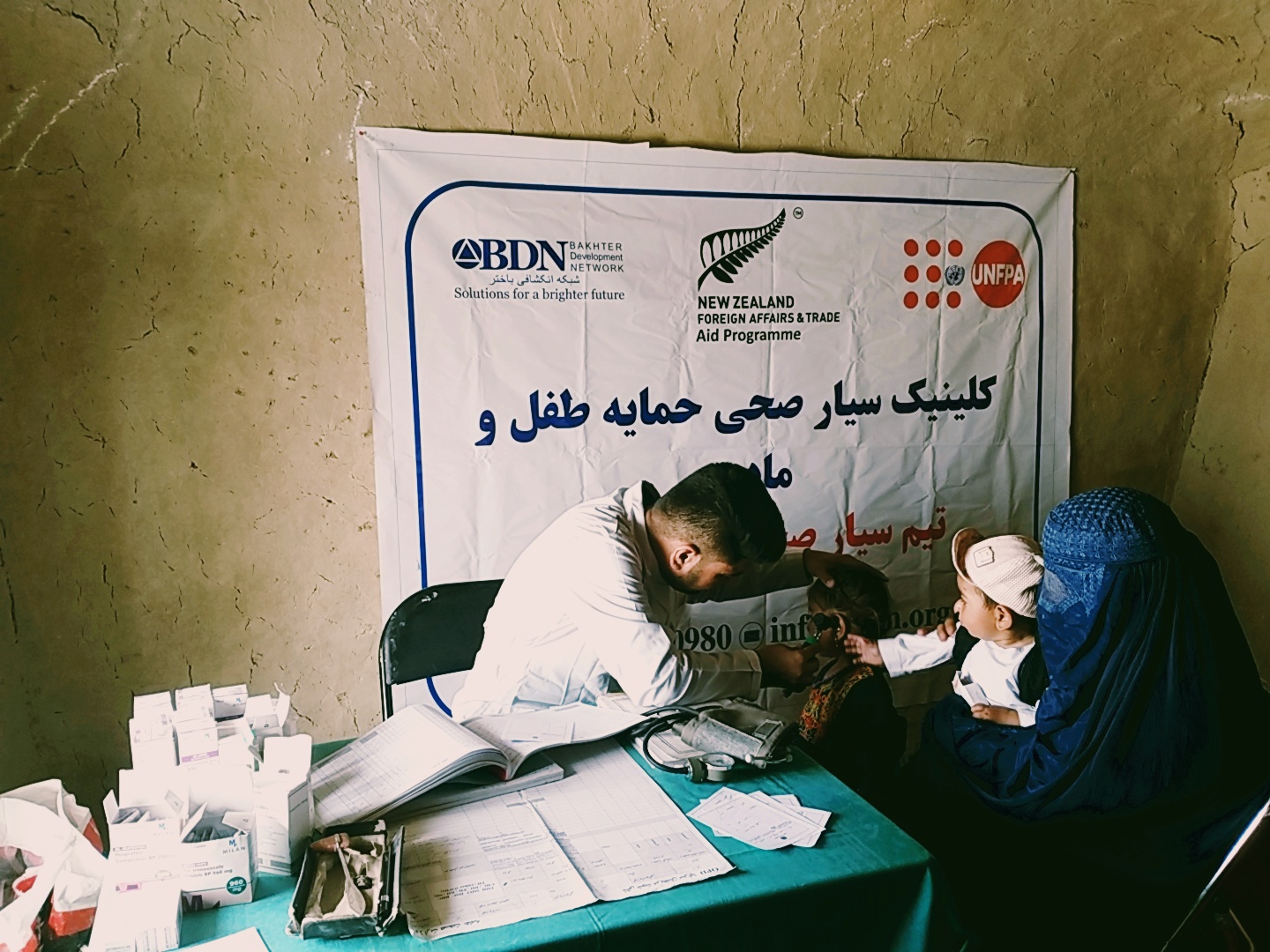
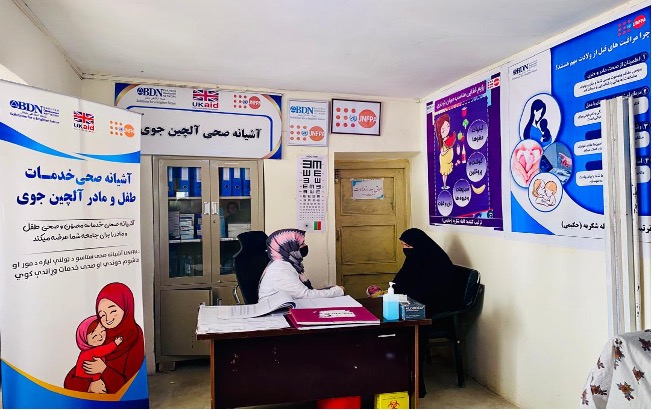
The RMNCAH/SRH and PSS Project focuses on improving access to reproductive, maternal, newborn, child, and adolescent healthcare services in Afghanistan. The project supports essential healthcare through Family Health Houses and Mobile Health Teams, including maternal healthcare, family planning, nutrition, and psychosocial support services for vulnerable and underserved communities.
Project Information
Project Name: RMNCAH/SRH and PSS – UNFPA
Location: Badakhshan, Takhar, Kunduz, Baghlan, Balkh, Jawzjan and Sar-e-Pol, Afghanistan
Implementing Organization: Bakhter Development Network (BDN)
Project Period: 2025 – 31 December 2026
Donor: United Nations Population Fund (UNFPA)
Service Delivery: 9 Mobile Health Teams and 7 Family Health Houses
Project Objectives and Activities
The main objective of the RMNCAH–UNFPA Project is to increase equitable access to quality reproductive, maternal, newborn, child, and adolescent healthcare services for marginalized and underserved populations in remote and hard-to-reach areas of Afghanistan.
Key activities include:
• Maternal and Newborn Healthcare: Provide antenatal care (ANC), postnatal care (PNC), family planning, and essential maternal and newborn services.
• Referral Services: Identify and refer complicated maternal and newborn cases to appropriate Emergency Obstetric and Newborn Care (EmONC) facilities.
• Nutrition Services: Provide maternal, infant, and young child nutrition (MIYCN) services.
• Immunization: Support vaccination services for children and pregnant women.
• Community Healthcare: Deliver services through Family Health Houses, Basic Health Centers, Mobile Health Teams, and community health workers.
• Psychosocial Support: Provide PSS services to support the mental and emotional well-being of women, children, and other vulnerable groups.
Target Beneficiaries
The RMNCAH/SRH and PSS – UNFPA Project primarily serves marginalized and underserved populations living in remote and hard-to-reach communities in Afghanistan.
The project particularly focuses on women, pregnant and lactating mothers, newborns, children, and adolescents who have limited access to essential healthcare services.
By delivering services through Family Health Houses (FHHs), Basic Health Centers (BHCs), and Mobile Health Teams (MHTs), the project aims to improve access to reproductive, maternal, newborn, child, and adolescent healthcare for vulnerable communities.
Key Health care Services
The RMNCAH/SRH and PSS – UNFPA Project provides essential reproductive, maternal, newborn, child, and adolescent healthcare services to underserved populations through Family Health Houses, Basic Health Centers, and Mobile Health Teams.
The project’s key services include:
• Antenatal Care (ANC): Healthcare services for pregnant women before childbirth.
• Postnatal Care (PNC): Healthcare for mothers and newborns after delivery.
• Family Planning: Providing reproductive health and family planning services.
• Maternal and Newborn Referrals: Identifying complicated cases and referring them to appropriate Emergency Obstetric and Newborn Care (EmONC) facilities.
• Nutrition Services: Maternal, infant, and young child nutrition (MIYCN) support.
• Immunization: Vaccination services for children and pregnant women.
• Psychosocial Support (PSS): Services supporting the mental and emotional well-being of vulnerable individuals.
Capacity Strenghtening and Community Outreach
The RMNCAH/SRH and PSS – UNFPA Project strengthens community-based healthcare delivery through Family Health Houses (FHHs), Basic Health Centers (BHCs), Mobile Health Teams (MHTs), and community health workers (CHWs).
The project conducts health awareness sessions at community level and through supported health facilities to improve knowledge of reproductive, maternal, newborn, child, and adolescent healthcare services.
Through community outreach and mobile health services, BDN aims to reach underserved populations in remote and hard-to-reach areas, improve access to essential healthcare, and promote appropriate healthcare-seeking practices.
Project Gallery