Integrated Health, WASH and AWD/Cholera Response
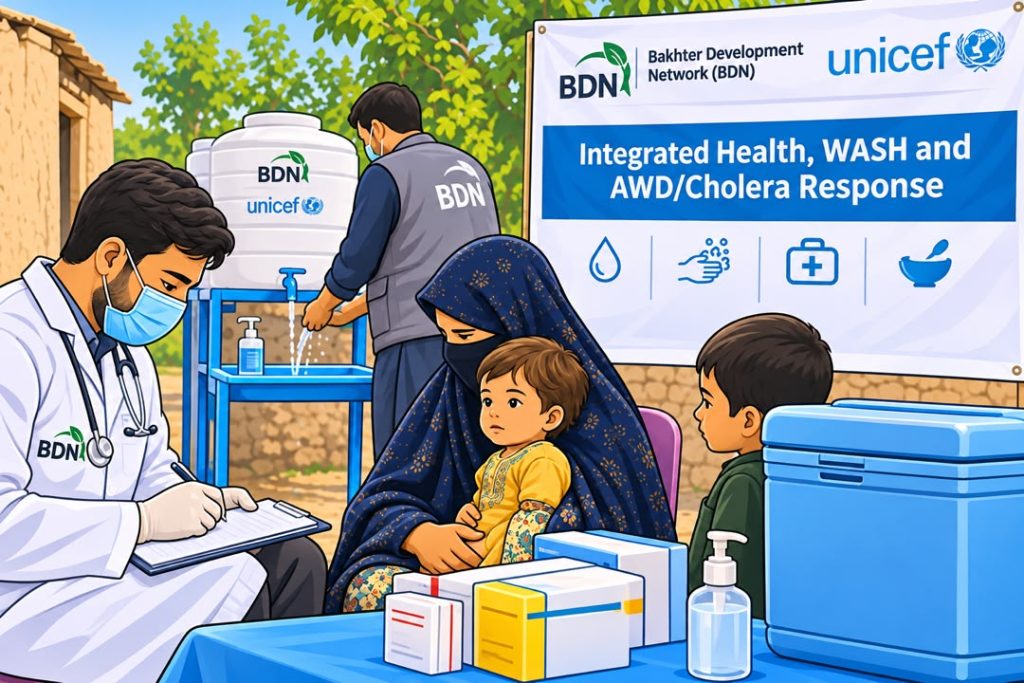
The Integrated Health, Water, Sanitation and Hygiene (WASH), and Social and Behaviour Change (SBC) Emergency Response Project aims to prevent and respond to acute watery diarrhea (AWD), suspected cholera, and other communicable disease outbreaks in Afghanistan.
Funded by UNICEF and implemented by Bakhter Development Network (BDN), the project delivers integrated WASH, emergency healthcare, nutrition, and community engagement interventions in high-risk and affected areas of northern and northeastern Afghanistan.
The project focuses on improving access to safe drinking water, strengthening outbreak preparedness and response, supporting essential health and nutrition services, and increasing community awareness of disease prevention.
Project Information
Project Name: Integrated Health, WASH and SBC Emergency Response
Implementation Areas: High-risk and affected areas of northern and northeastern Afghanistan
Implementing Organization: Bakhter Development Network (BDN)
Project Period: 20 October 2025 – 20 October 2027
Donor: United Nations Children’s Fund (UNICEF)
Project Reference: AFG/PCA2019134/SPD20251481
Programme Components: Health, WASH, Nutrition, Social and Behaviour Change (SBC), and Emergency Response
Project Objectives and Activities
The main objective of the project is to strengthen the prevention, detection, and response to acute watery diarrhea (AWD), cholera, and other communicable disease outbreaks while improving access to essential health, WASH, and nutrition services.
Key Objectives and Activities:
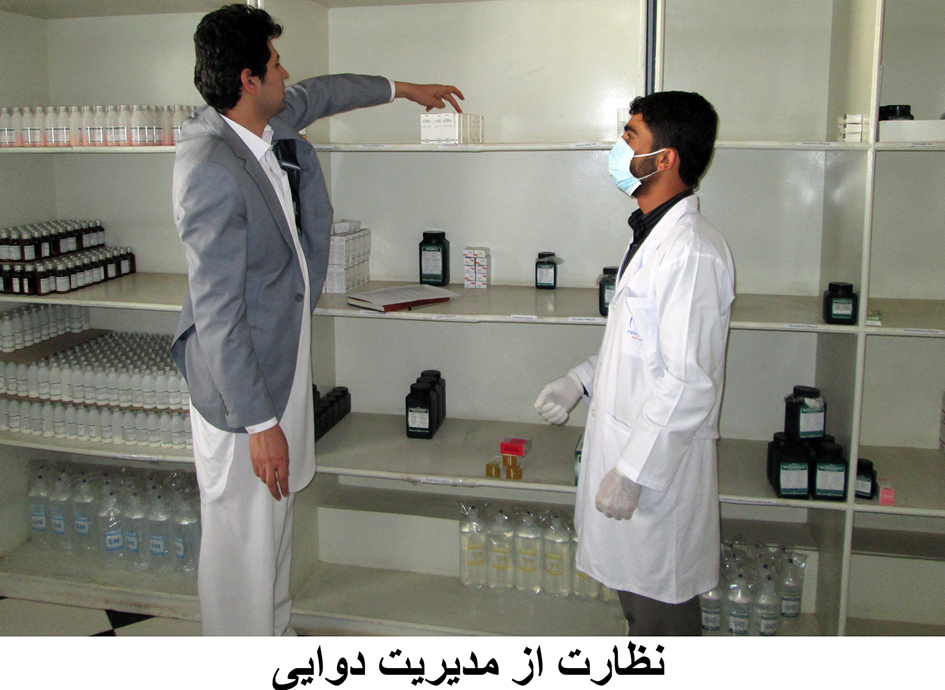
• Safe Drinking Water: Support access to safe and chlorinated drinking water through water-quality testing, assessment, and chlorination of water sources.
• WASH Interventions: Promote infection prevention and control and provide essential hygiene supplies, including family hygiene kits and water purification products.
• Emergency Health Response: Strengthen rapid response teams and support the timely detection and response to suspected and confirmed cholera outbreaks.
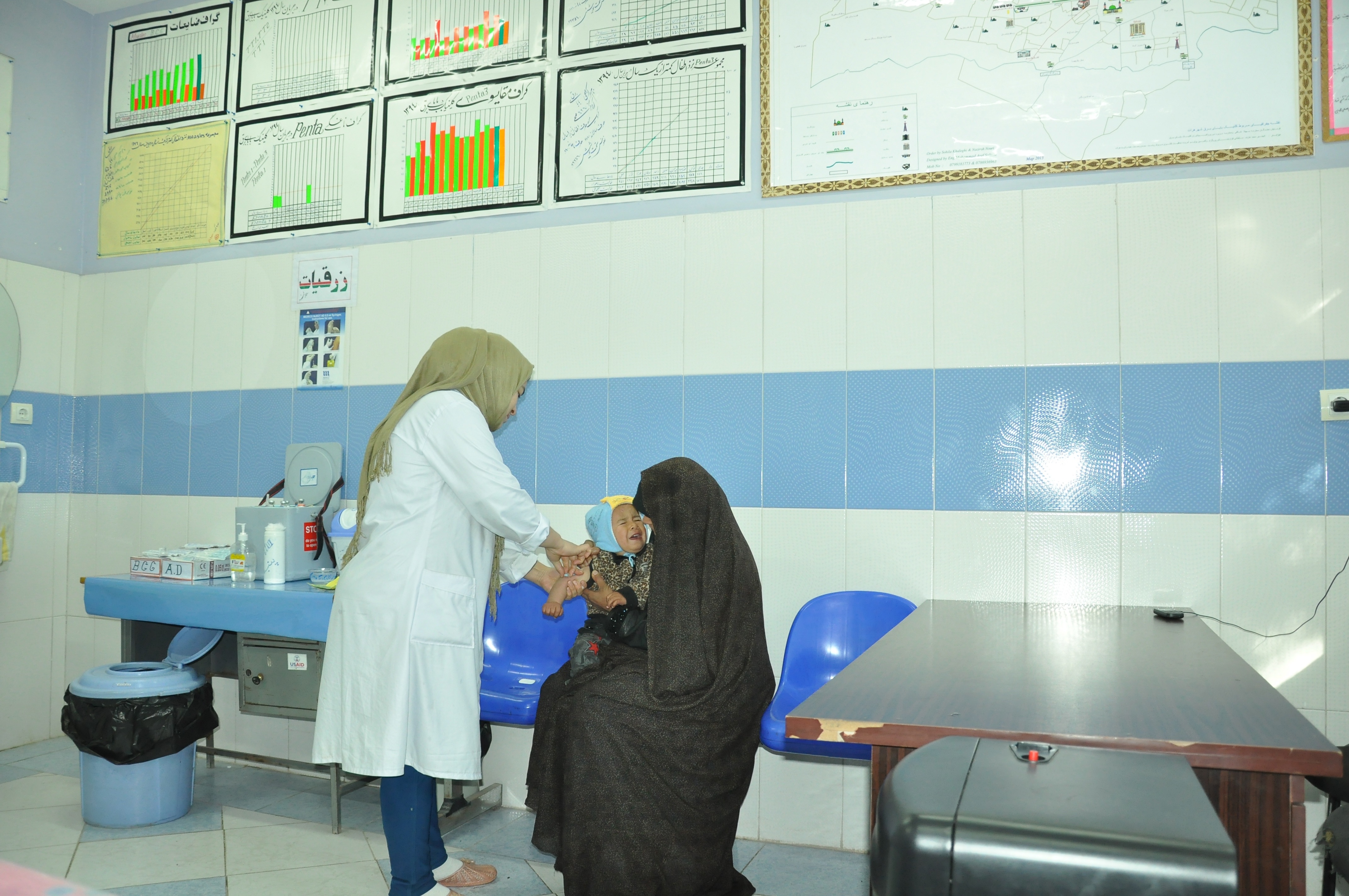
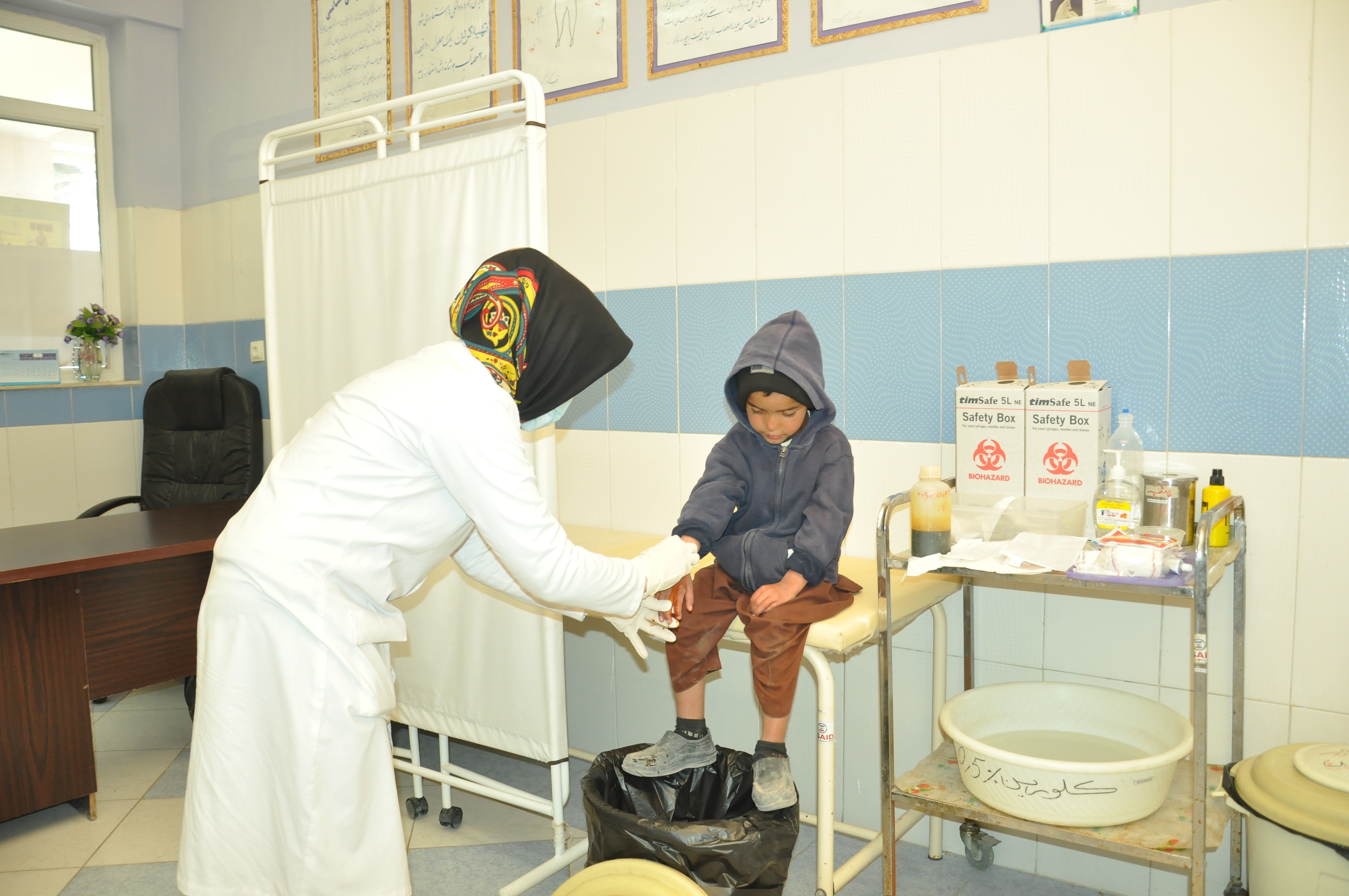
• Healthcare Services: Support integrated emergency healthcare, referral of severely dehydrated patients, and the capacity of healthcare workers in AWD case management.
• Nutrition Support: Screen children under five for acute malnutrition, support appropriate referrals, and provide nutrition counselling.
• Community Awareness: Promote AWD and cholera prevention through community engagement, behaviour change communication, and local radio campaigns.
Target Beneficiaries
The project primarily supports vulnerable populations living in high-risk and outbreak-affected communities in northern and northeastern Afghanistan.
The main beneficiaries include:
• Children Under Five: Children at risk of acute watery diarrhea, dehydration, and malnutrition.
• Pregnant and Lactating Women: Women requiring essential nutrition support, counselling, and appropriate referrals.
• Families and Caregivers: Households benefiting from hygiene awareness, safe drinking water interventions, and disease prevention information.
• Affected Communities: Men, women, and children living in areas at increased risk of AWD and cholera outbreaks.
• Healthcare and Frontline Workers: Personnel receiving training and support to strengthen emergency response and AWD case management.
The project emphasizes equitable access to essential services and age- and gender-sensitive community engagement.
Key Health, WASH and Nutrition Services
The project delivers an integrated package of emergency health, WASH, and nutrition interventions to prevent and respond to acute watery diarrhea and cholera.
Key Services Include:
• Water Safety: Water-quality testing, water-source assessment, and chlorination to improve access to safe drinking water.
• Hygiene and Infection Prevention: Distribution of essential hygiene supplies and support for infection prevention and control.
• Emergency Health Services: Rapid response to suspected cholera outbreaks and support for AWD case management.
• Oral Rehydration Support: Establishment of oral rehydration solution (ORS) corners and referral of severely dehydrated patients.
• Nutrition Screening: Screening children under five for acute malnutrition and referring affected children for appropriate treatment.
• Maternal and Child Nutrition: Counselling on appropriate infant and young child feeding (IYCF) practices and support for vulnerable children and pregnant and lactating women.
• Health Education: Community awareness activities on prevention of AWD, cholera, and other communicable diseases.
Capacity Strenghtening and Community Outreach
The project strengthens community and health system capacity to prevent, detect, and respond to acute watery diarrhea, cholera, and related public health emergencies.
Capacity-building activities include training healthcare workers in AWD case management and strengthening rapid response teams to support timely outbreak detection and emergency response.
Through community engagement sessions, local radio campaigns, and social and behaviour change communication activities, the project promotes awareness of safe drinking water, appropriate hygiene practices, and disease prevention.
The project also promotes community participation through feedback mechanisms and the involvement of frontline workers, caregivers, and community members.
By combining health services, WASH interventions, nutrition support, and community engagement, BDN aims to improve preparedness and response in high-risk and affected communities.
Project Gallery