Bringing Essential Healthcare Closer to Remote Communities: Improving Access to Maternal and Newborn Healthcare Services in Kajga Sub-Health Center
Project: Primary Health Care (PHC) Project
Location: Khahan District, Badakhshan Province, Afghanistan
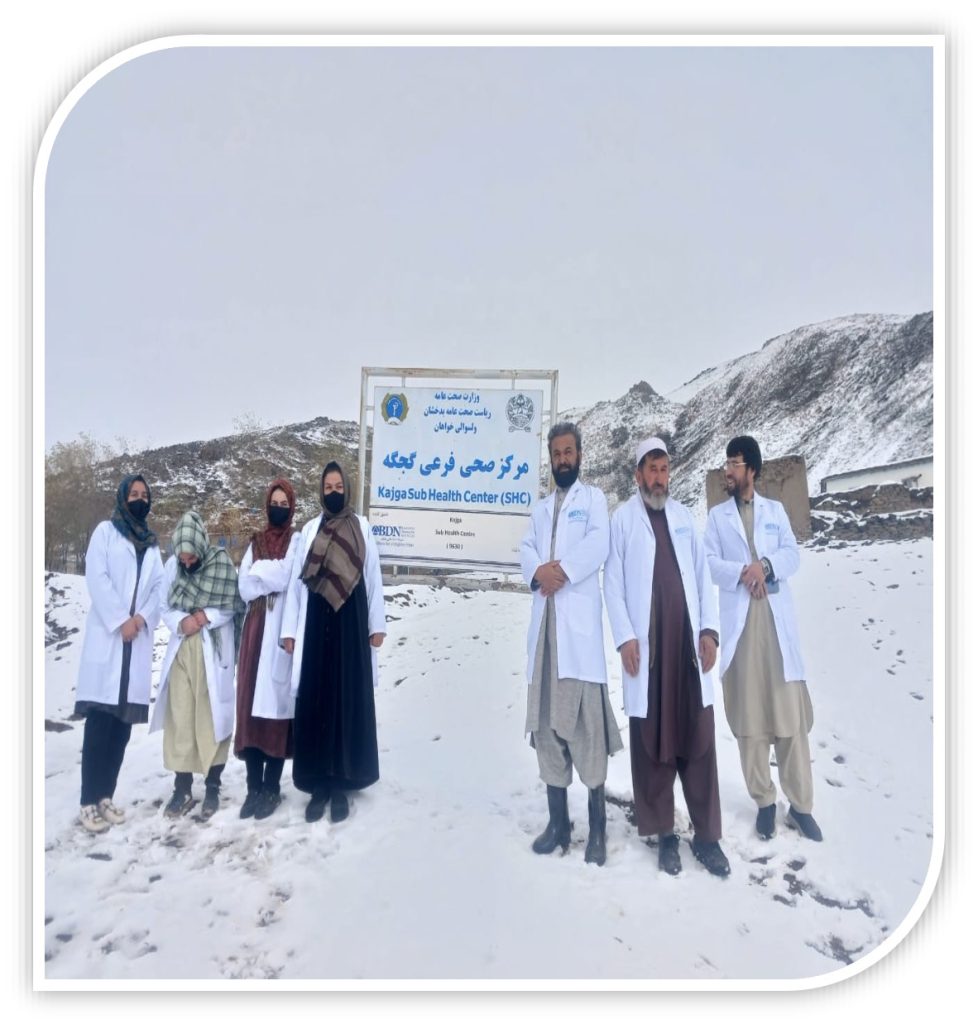
Health Facility: Kajga Sub-Health Centre (SHC)
Implementing Organization: Bakhter Development Network (BDN)
Supporting Organization: World Health Organization (WHO)
Focus: Accountability to Affected Populations (AAP), Community Engagement, and Improving Access to Maternal and Newborn Healthcare Services
Background
Khahan District, located in the mountainous province of Badakhshan, faces significant challenges in accessing essential healthcare services. The difficult terrain, scattered villages, and poor road conditions make it especially challenging for pregnant women, newborns, and vulnerable families to receive timely medical care.
Before the establishment of Kajga Sub-Health Centre (SHC), approximately 6,121 people living across 10 villages had very limited access to healthcare services. The nearest BPHS-supported health facilities were approximately one day’s journey away.
Through the Primary Health Care Project, Bakhter Development Network (BDN), with support from the World Health Organization (WHO), has helped bring essential healthcare services closer to these underserved communities.
Kajga SHC also encourages community participation through feedback mechanisms, allowing residents to share their healthcare needs, concerns, and suggestions. This approach helps improve accountability, strengthen trust, and ensure that healthcare services respond to community needs.
A Mother's Journey to Safe Delivery
In the remote mountainous district of Khahan, Badakhshan Province, access to skilled maternal healthcare has long been a challenge. Difficult terrain, scattered villages, and seasonal road closures often prevent pregnant women from reaching healthcare facilities in time.
For 19-year-old Ms. Noria, these challenges became personal. During her first pregnancy, she experienced a miscarriage when skilled maternal healthcare and counselling services were unavailable in her community.
Her second pregnancy was different. Following the establishment of Kajga Sub-Health Centre (SHC), Ms. Noria was able to receive regular antenatal care from a qualified midwife.
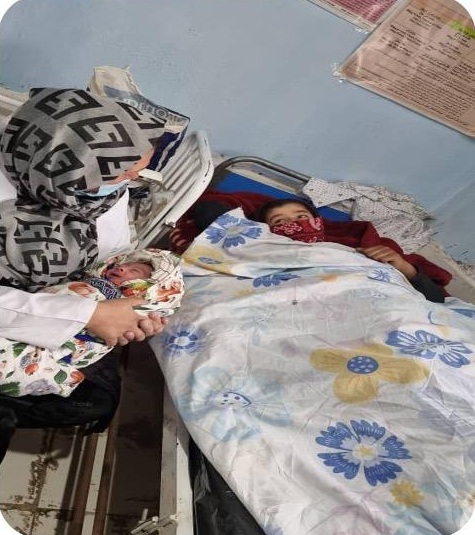
On 14/08/1405 (Solar Hijri calendar), she safely delivered a healthy baby boy weighing 2.5 kilograms at Kajga SHC, under the supervision of skilled healthcare staff.
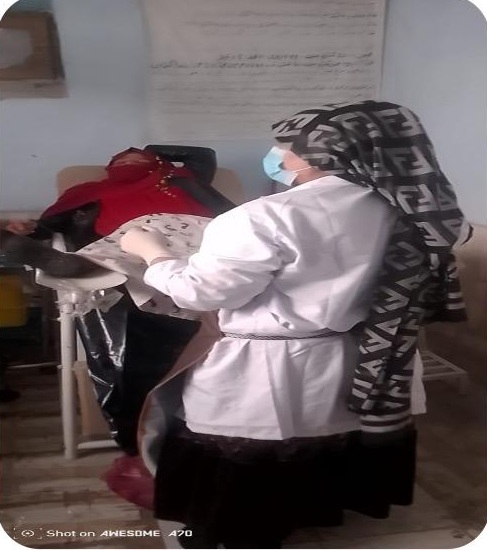
Although Ms. Noria was anaemic at the time of delivery, the midwife and healthcare team provided delivery care, essential newborn care, and comprehensive postnatal services for both mother and child. She also received a mother-and-newborn care kit containing essential supplies for newborn care and maternal hygiene.
Reflecting on her experience, Ms. Noria expressed her gratitude:
“During my first pregnancy, I lost my baby because skilled care was not available. This time, thanks to the services at Kajga Health Centre, I received regular check-ups and delivered my baby safely. Having a trained midwife close to our village gave me confidence and protected both my life and my child’s.”
Impact and Key Achievements
The establishment of Kajga Sub-Health Centre (SHC) has improved access to essential healthcare services for remote and underserved communities in Khahan District, Badakhshan Province.
Key achievements include:
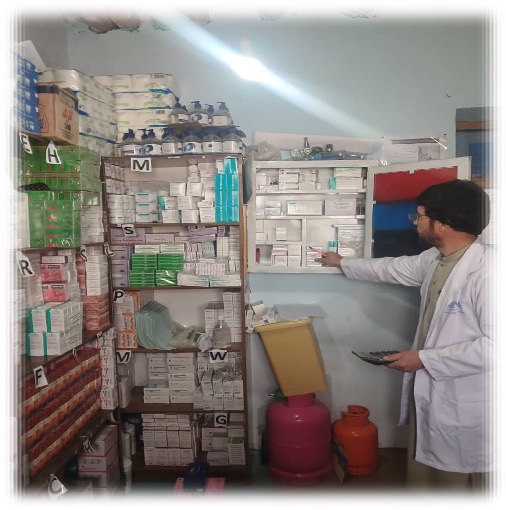
• Improved healthcare access: Essential health services are now available closer to communities that previously faced long and difficult journeys to reach health facilities.
• Safer maternal healthcare: Pregnant women can receive antenatal care, skilled birth attendance, and postnatal services from qualified healthcare professionals.
• Newborn healthcare services: Mothers and newborns can access essential newborn care, immunization, and nutrition counselling.
• Reduced travel barriers: Local healthcare services help families avoid difficult and costly journeys, particularly during winter.
• Community engagement: Feedback mechanisms give community members opportunities to share their concerns and suggestions, helping improve healthcare delivery.
• Timely referrals: Healthcare workers can identify complications and arrange referrals when additional medical treatment is needed.
With support from the World Health Organization (WHO), Bakhter Development Network (BDN) continues to strengthen access to essential healthcare services in remote communities through Kajga SHC.
Photo Gallery
Conclusion
Ms. Noria’s story demonstrates the importance of bringing essential healthcare services closer to remote communities in Afghanistan. Through the establishment of Kajga Sub-Health Centre, women and families in Khahan District now have improved access to maternal and newborn healthcare services.
With support from the World Health Organization (WHO), Bakhter Development Network (BDN) is helping reduce barriers to healthcare by supporting skilled health workers, essential medical services, and community participation.
This success story highlights the importance of sustaining accessible and functional health facilities in underserved areas to improve maternal and newborn health outcomes and promote equitable healthcare for all.