Targeted Supplementary Feeding Programme (TSFP) – WFP
The Targeted Supplementary Feeding Programme (TSFP), supported by the World Food Programme (WFP) and implemented by Bakhter Development Network (BDN), aims to improve the nutritional status of vulnerable children and pregnant and lactating women in Afghanistan.
The programme focuses on the identification, referral, and treatment of Moderate Acute Malnutrition (MAM) among children aged 6–59 months and pregnant and lactating women (PLW).
Through specialized nutritious food supplements, nutrition counselling, and community-based interventions, the project seeks to reduce malnutrition-related health risks and promote healthy growth and development among vulnerable children and mothers.
Project Information
Project Name: Targeted Supplementary Feeding Programme (TSFP)
Location: Balkh, Maidan Wardak and Ghazni, Afghanistan
Implementing Organization: Bakhter Development Network (BDN)
Project Period: 1 February 2023 – 31 December 2026
Donor: World Food Programme (WFP)
Project Reference: AF01-2049/TSFP-PLW/BDN
Target Groups: Children aged 6–59 months and pregnant and lactating women affected by moderate acute malnutrition
Project Objectives and Activities
The overall objective of the TSFP Project is to improve the nutritional status of children under five and pregnant and lactating women through early detection, referral, and management of acute malnutrition.
Key Objectives and Activities:
• Malnutrition Identification and Treatment: Identify, refer, and treat children affected by acute malnutrition through the Community-Based Management of Acute Malnutrition (CMAM) programme.
• Nutrition Supplementation: Provide specialized nutritious food supplements, including Ready-to-Use Supplementary Food (RUSF) and Lipid-Based Nutrient Supplements (LNS).
• Maternal Nutrition Support: Provide nutrition counselling and appropriate nutritional supplements to pregnant and lactating women.
• Infant and Young Child Feeding: Promote appropriate feeding practices in accordance with Infant and Young Child Feeding (IYCF) guidelines.
• Capacity Strengthening: Support health workers and community volunteers in delivering nutrition services and counselling.
• Community Participation: Encourage communities to participate in malnutrition prevention and promote healthy nutritional practices.
Target Beneficiaries
The Targeted Supplementary Feeding Programme primarily serves vulnerable children and mothers affected by moderate acute malnutrition in targeted communities.
The main beneficiaries include:
• Children aged 6–59 months: Children diagnosed with Moderate Acute Malnutrition (MAM) who require supplementary feeding and nutrition support.
• Pregnant Women: Women experiencing moderate acute malnutrition who need appropriate nutritional supplementation and counselling.
• Lactating Women: Breastfeeding mothers affected by moderate acute malnutrition who require nutrition support.
• Parents and Caregivers: Families who benefit from education on appropriate infant and young child feeding practices.
The programme also supports health workers and community volunteers through capacity-building activities that strengthen the delivery of nutrition services.
Key Nutrition Services
The TSFP Project delivers targeted nutrition interventions designed to address moderate acute malnutrition among children and pregnant and lactating women.
Key Services Include:
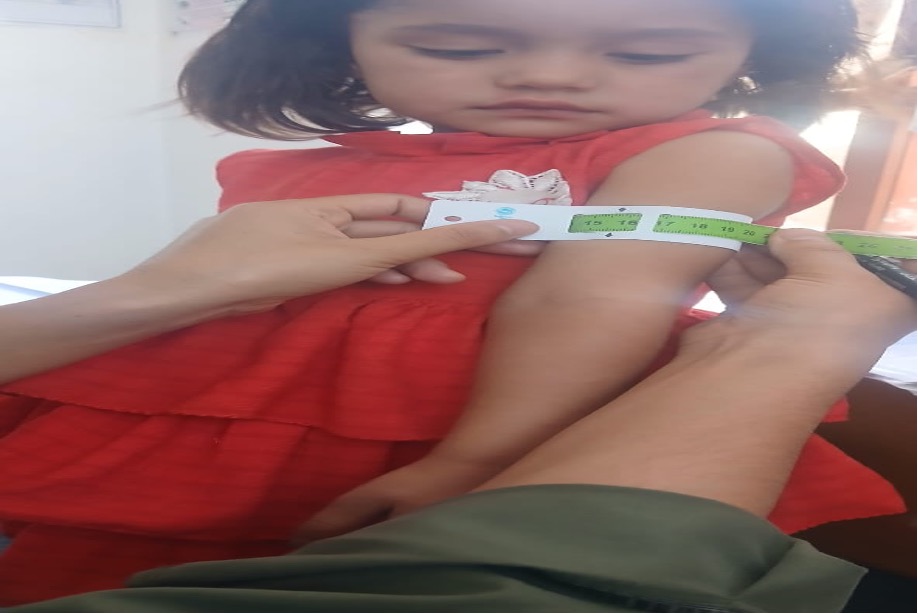
• Nutrition Screening and Assessment: Identifying children and mothers affected by acute malnutrition.
• Supplementary Feeding: Providing specialized nutritious food supplements, including RUSF and LNS.
• Moderate Acute Malnutrition Management: Supporting the treatment and management of MAM among eligible beneficiaries.
• Nutrition Counselling: Providing guidance to mothers and caregivers on nutrition, feeding practices, and healthy diets.
• Infant and Young Child Feeding (IYCF): Promoting appropriate feeding practices to improve child nutrition.
• Referral Services: Identifying and referring beneficiaries who require appropriate malnutrition treatment and additional nutrition support.
These services aim to reduce the risks associated with malnutrition and improve nutritional outcomes for vulnerable children and mothers.
Capacity Strenghtening and Community Outreach
The TSFP Project strengthens community-based nutrition services by improving the capacity of health workers and community volunteers to identify, refer, and support individuals affected by acute malnutrition.
Capacity-building activities focus on improving nutrition service delivery, strengthening nutrition counselling, and supporting appropriate infant and young child feeding practices.
Through community engagement and nutrition awareness activities, BDN promotes healthy nutritional practices and encourages families to participate in the prevention and management of malnutrition.
The programme emphasizes community participation to improve awareness of available nutrition services and support better nutritional health among vulnerable children and mothers.
Project Gallery