GC7 Project - HIV, Malaria and Tuberculosis
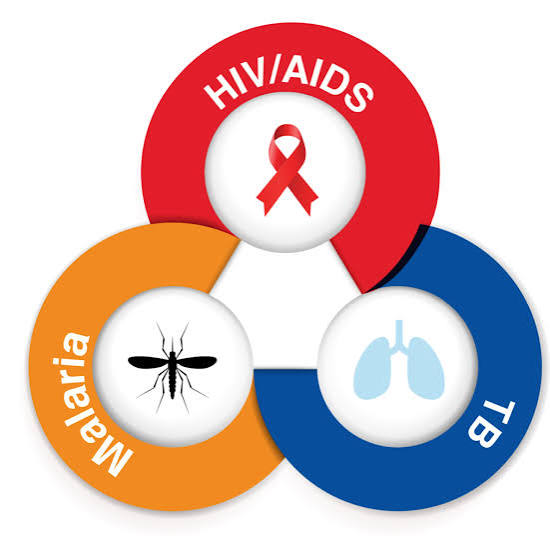
The Global Fund Grant Cycle 7 (GC7) Project supports efforts to address HIV, tuberculosis (TB), and malaria while strengthening resilient and sustainable systems for health (RSSH) in Afghanistan.
Implemented by Bakhter Development Network (BDN) with support from the United Nations Development Programme (UNDP), the project covers Balkh, Ghazni, and Maidan Wardak provinces.
The project focuses on populations affected by infectious diseases, vulnerable and underserved communities, and health system strengthening to support access to essential health services.
Project Information
Project Name: Global Fund Grant Cycle 7 (GC7)
Implementation Areas: Balkh, Ghazni and Maidan Wardak, Afghanistan
Implementing Organization: Bakhter Development Network (BDN)
Project Period: 1 April 2024 – 31 December 2026
Donor / Contracting Partner: United Nations Development Programme (UNDP)
Project Components: HIV, TB, Malaria and RSSH
Project Reference: AFG-UNDP-3361
Project Objectives and Activities
The GC7 Project aims to contribute to national efforts addressing HIV, tuberculosis, and malaria while supporting stronger and more resilient health systems.
The project’s four main areas of focus are:
• HIV: Addressing the needs of people living with HIV and other key affected and vulnerable populations.
• Tuberculosis (TB): Focusing on populations at increased risk of TB, particularly people in hard-to-reach areas and other vulnerable groups.
• Malaria: Prioritizing populations in high-risk areas, including pregnant women, young children, and mobile or displaced communities.
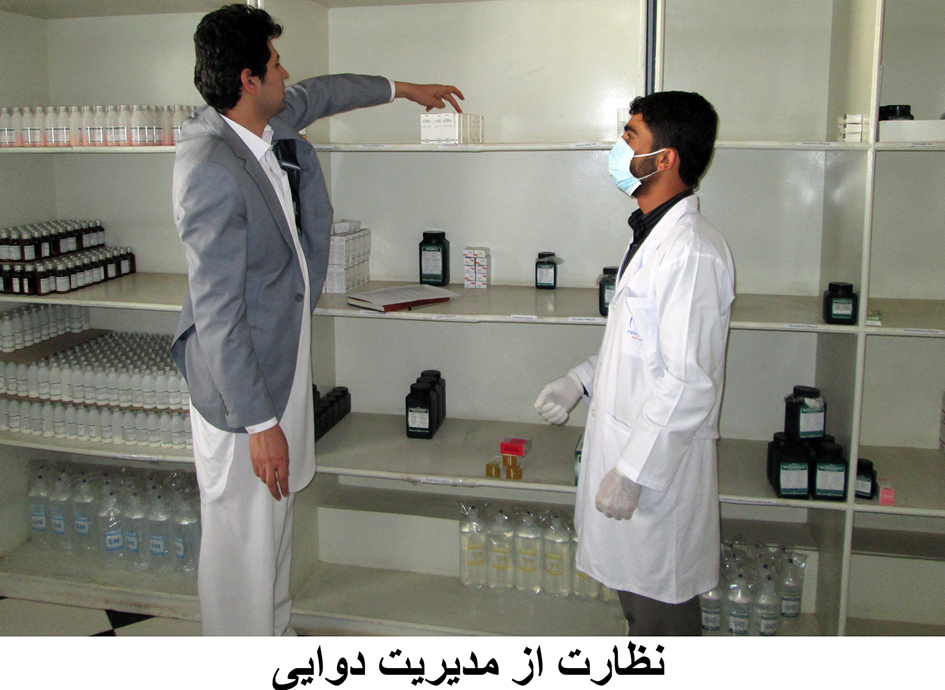
• Resilient and Sustainable Systems for Health (RSSH): Supporting health system strengthening, with attention to laboratories, health personnel, and access to services in underserved areas.
These components provide the framework for the project’s disease-focused and health system strengthening interventions.
Target Beneficiaries
The GC7 Project targets populations affected by HIV, tuberculosis, and malaria, with particular attention to vulnerable and underserved communities.
Key beneficiary groups include:
• HIV: People living with HIV (PLHIV), people who inject drugs (PWID) and their partners, prisoners, and other vulnerable populations.
• Tuberculosis: People living in hard-to-reach areas, children, prisoners, close contacts of registered TB patients, migrants, internally displaced persons (IDPs), returnees, and people living with HIV.
• Malaria: Communities in high-risk areas, particularly pregnant women, children under five years of age, and mobile and displaced populations.
• Health Systems (RSSH): Regional and provincial laboratories, healthcare personnel, and underserved communities, including women and girls.
The project seeks to address the needs of these groups through its disease-specific and health system strengthening components.
Key Programme Components
The GC7 Project is organized around four programme components addressing major infectious diseases and health system needs.
HIV Component
Focuses on key affected and vulnerable populations, particularly people living with HIV, people who inject drugs, their partners, and prisoners.
Tuberculosis Component
Focuses on populations vulnerable to TB, including people in hard-to-reach communities, children, close contacts of TB patients, migrants, internally displaced persons, and returnees.
Malaria Component
Prioritizes high-risk communities and vulnerable populations, including pregnant women, children under five, and mobile or displaced groups.
Resilient and Sustainable Systems for Health (RSSH)
Focuses on strengthening health systems, particularly regional and provincial laboratories, health personnel, and access to essential services for underserved populations.
Health System Strengthening and Community Outreach
Health system strengthening is an important component of the GC7 Project, alongside its HIV, tuberculosis, and malaria programme areas.
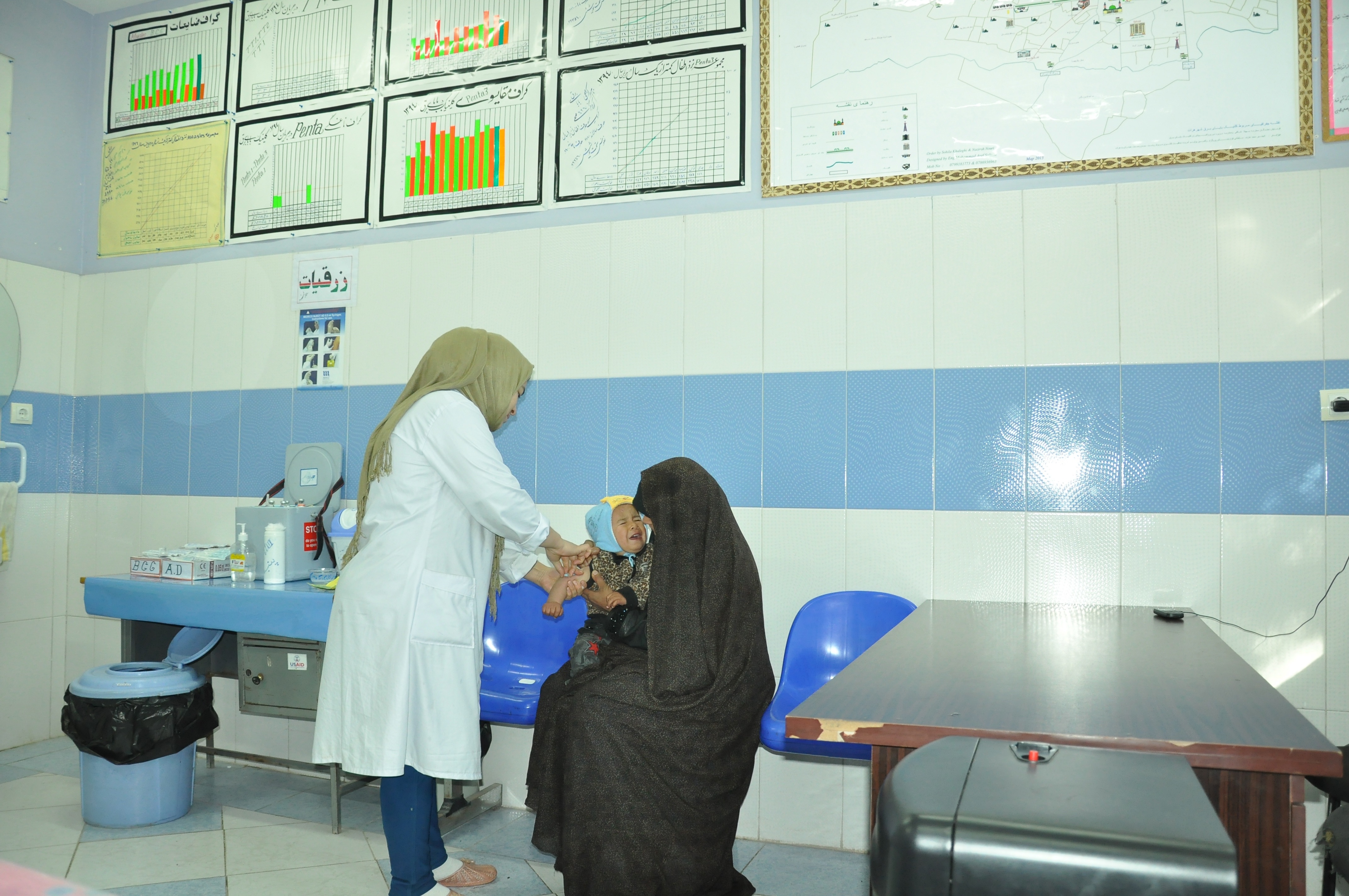
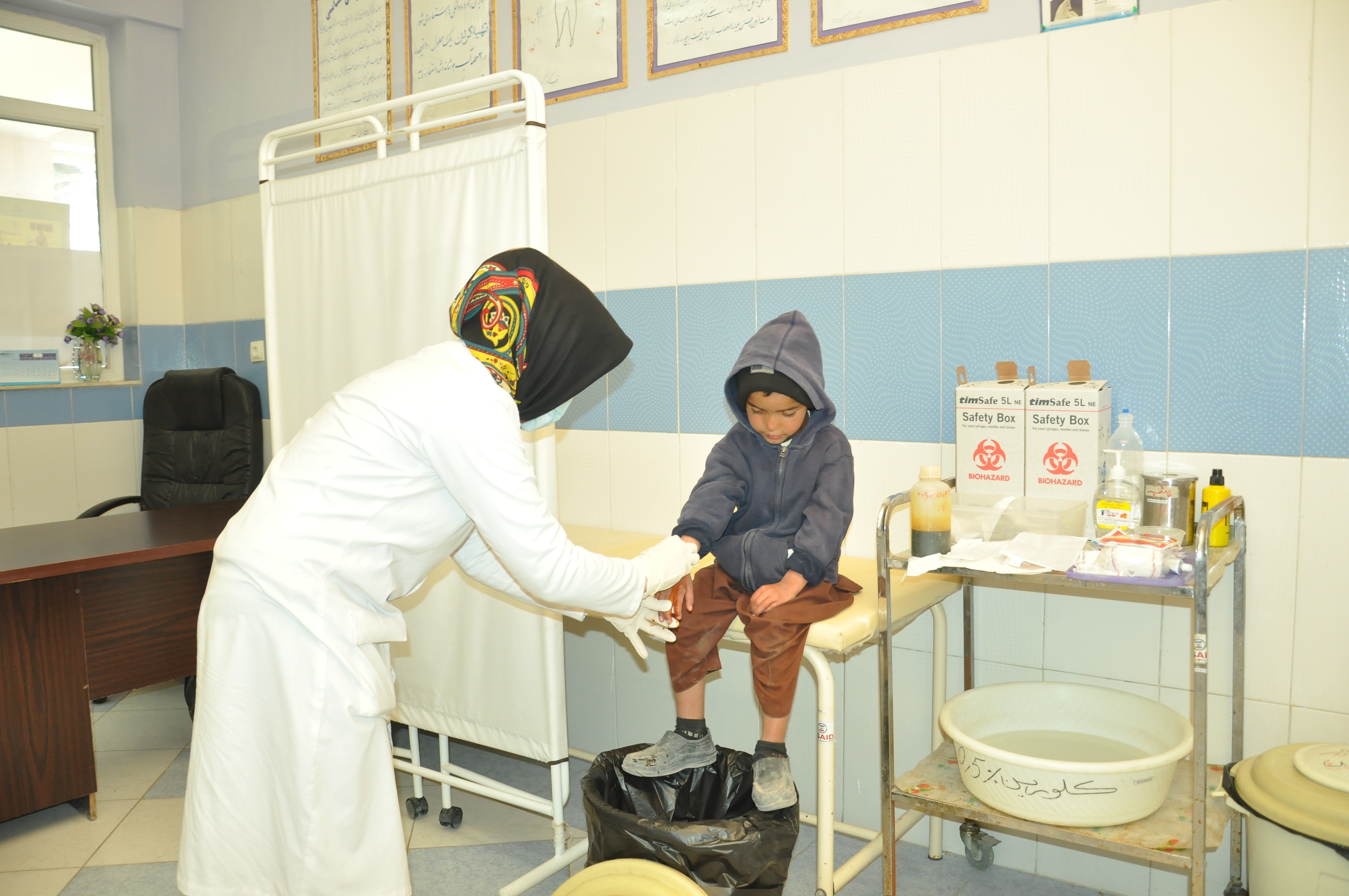
The RSSH component focuses on regional and provincial laboratories and healthcare personnel, while supporting improved access to health services for populations living in hard-to-reach areas.
The project places particular emphasis on vulnerable communities, including women and girls, displaced populations, migrants, and individuals affected by infectious diseases.
Through its integrated programme focus, GC7 contributes to efforts to address infectious disease challenges and strengthen the health system’s capacity to serve underserved populations.
Project Gallery